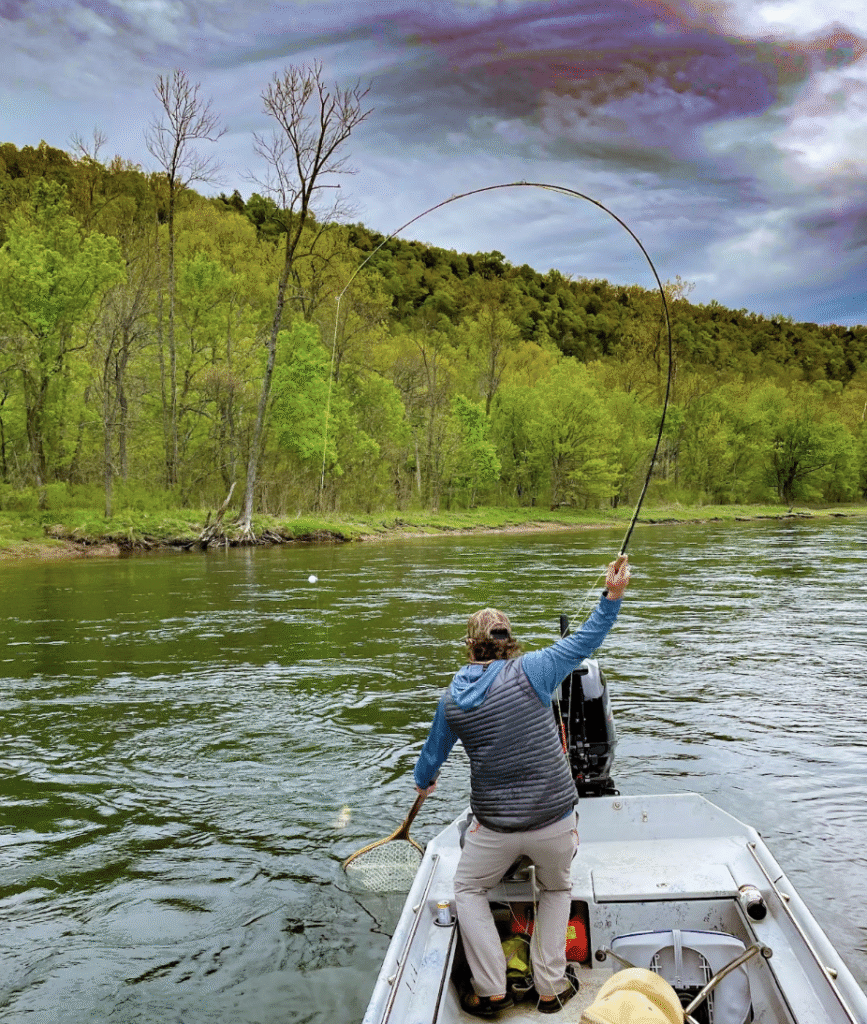
Most anglers planning a trip to Flippin, Arkansas hear “White River” and stop there. That’s a mistake. Five minutes down the road sits the Norfork River, a completely different fishery that happens to share a confluence with the White. Heading a little further down the road could lead to your new favorite fishing spot.
This guide breaks down what the Norfork actually is, what lives in it, when to fish it, and how it could fit perfectly into your next fishing trip.
What Makes the Norfork River Different From the White River
The White River below Bull Shoals Dam stretches across roughly ninety-five miles of trout water. The Norfork is a different animal entirely. It runs only about five miles from Norfork Dam to its confluence with the White, which makes it one of the shortest tailwaters in the country and one of the most concentrated.
That size difference changes how the river fishes. Less water means less room to spread out, but it also means the fish are easier to locate once you understand the structure of the water. Wading is more approachable here than on stretches of the White, and the smaller footprint is perfect for anglers who like to slow down and work a run methodically instead of covering miles of river in a day.
Species You’ll Find in the Norfork
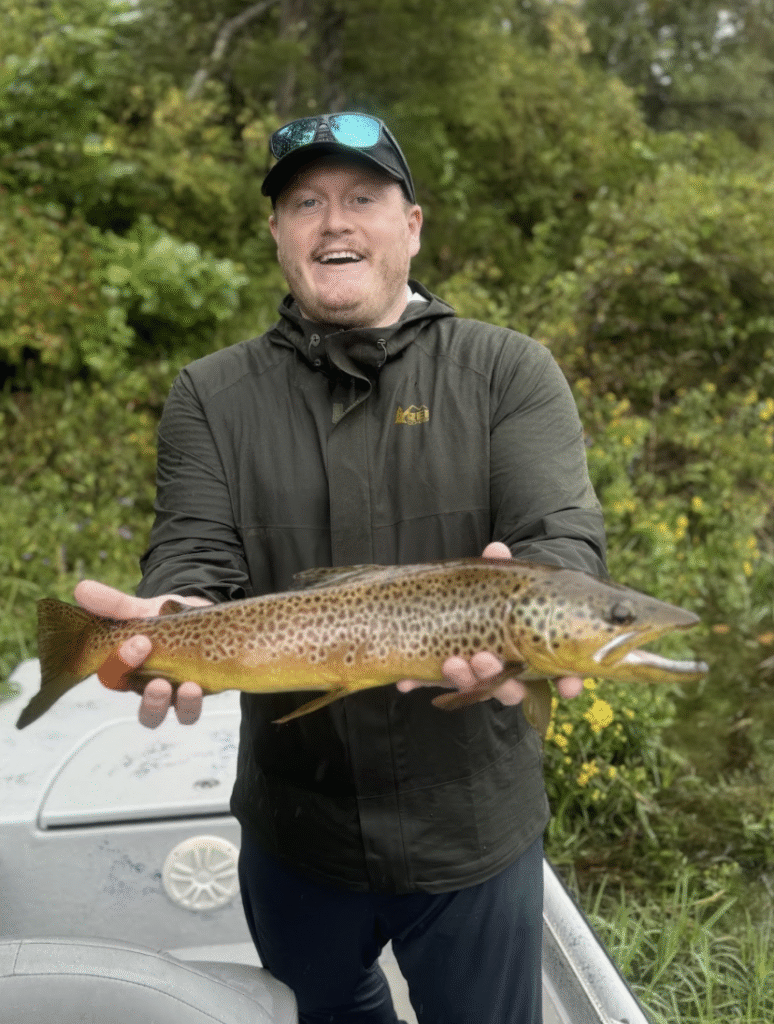
The Norfork primarily holds four trout species: rainbow, brown, brook, and cutthroat. Catching all four in a single day is often called a grand slam, and the Norfork is one of the few places in Arkansas where you’re able to check off your bucket list.
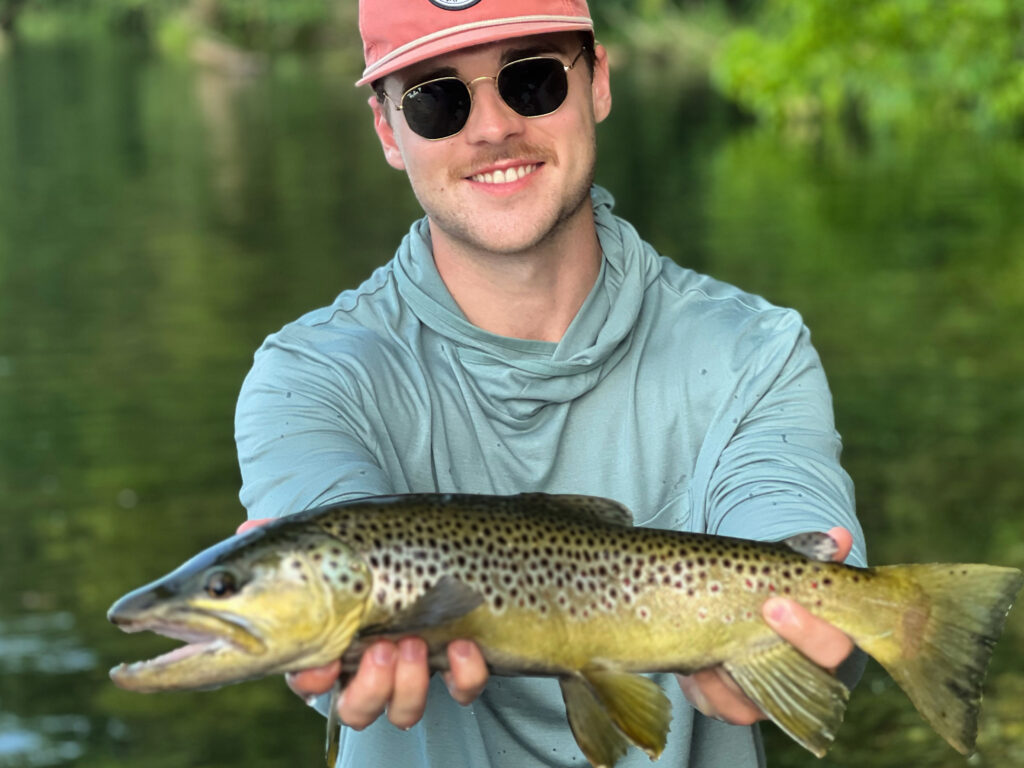
Rainbow trout make up the bulk of the population and are the most consistent action on any given day. Brown trout are the headline fish. The Norfork has a well-documented history of producing exceptionally large browns, including a fish caught in 1988 that weighed close to 40 pounds and still stands as one of the largest ever recorded anywhere in the world, according to the Game and Fish Commission. That isn’t going to happen on any given trip, but it shows what this water is made of.
Best Time of Year to Fish the Norfork
Seasonal timing on the Norfork tracks closely with the broader Ozark tailwater calendar, though the smaller water means conditions can shift faster here than on the White.
Winter (January through March) is streamer season. High flows during these months push big browns to feed aggressively, and stripping streamers through deeper runs is the go-to approach. Low water years happen too, and when they do, streamer fishing gets tougher. There’s no guarantee flows will cooperate any given week, so flexibility matters more than a fixed date on the calendar.
Spring (April through May) brings the caddis hatch. This is when dry fly fishing gets serious, with fish keyed in on emerging insects and willing to take a well-presented fly on top. It’s also the busiest stretch of the year for guides in the area, so booking early matters if you want a specific date.
Summer (May through July) is sulphur hatch territory. These small mayflies bring some of the best dry fly action of the year, with sight-nymphing opportunities on larger fish in the morning and strong dry fly activity from early afternoon into dusk as the hatch develops.
Late summer into fall shifts the focus to hoppers. Terrestrial fishing takes over as the primary tactic, and the crowds thin out considerably compared to peak spring season. If you’d rather fish without dodging other boats, this stretch of the year delivers that.
When How the Norfork Connects to Dry Run Creek
Dry Run Creek sits just below Norfork Dam, fed directly by discharge from the Norfork National Fish Hatchery. That connection is part of what makes this whole stretch of water so productive. The nutrient-rich hatchery outflow supports a dense trout population in a very small footprint.
Dry Run Creek itself is catch-and-release only, restricted to artificial lures with a single barbless hook, and open exclusively to anglers 16 and under and mobility-impaired adults. It’s not a general-access fishery, but for families with young anglers or guests who need accessible water, it’s one of the best options in the state. Pairing time on Dry Run Creek with a Norfork trip is a natural fit for a full day built around multiple generations or skill levels in the same group.
Wading vs. Floating the Norfork
Because the river is compact, wading is a bigger part of the experience here than it typically is on the larger stretches of the White. Boats still play a role, particularly for reaching prime access points or covering water efficiently when flows are up.
Common Misconceptions About the Norfork
The biggest one: treating the Norfork as an afterthought tacked onto a White River trip. It’s a legitimate destination fishery in its own right, not a consolation stop. Some of the best brown trout fishing in the state happens here specifically because the river is small enough to fish with precision.
The second misconception is assuming smaller water means smaller fish. The opposite is often true. Concentrated flows and consistent cold water create ideal growing conditions, which is exactly why this short stretch has produced some of the largest brown trout ever documented.
What to Expect on a Guided Norfork Trip
A guide’s job on the Norfork isn’t just to put you in front of fish. It’s to teach you why those fish are holding where they are, what they’re eating, and how to adjust when conditions change mid-day. Every trip should leave you better at reading water than when you started, not just tired from a day on the river.
Fish are never guaranteed on any trip, and the Norfork is no exception. What a good guide can promise is preparation, technique, and enough hands-on coaching that you leave with skills you can use on any river, not just this one.
Frequently Asked Questions
Is the Norfork River good for beginners?
Yes, particularly compared to larger tailwaters. The smaller size and slower pace make it easier to learn on, and a guide can spend more time on fundamentals like reading water and presentation without the pressure of covering long stretches of river.
How long is the Norfork River?
The Norfork runs approximately five miles from Norfork Dam to its confluence with the White River, making it one of the shortest trout tailwaters in the region.
Can you wade the Norfork River?
Yes. Its compact size makes it more wade-friendly than much of the White River, though conditions depend on current generation schedules, which are controlled by the dam and can change without much notice.
What are the best flies for Norfork River trout?
Fly selection shifts with the season. Streamers work best during high winter flows, caddis patterns dominate in spring, sulphur imitations take over in summer, and terrestrials like hoppers become the go-to as late summer arrives.
Norfork River vs. White River, which should I fish?
It depends on what you’re after. The White offers more water and more room to spread out. The Norfork offers a more concentrated, technical experience with a genuine shot at all four trout species in a single day. Many anglers fish both on the same trip.
Do you need a guide to fish the Norfork River?
It’s not required, but the river’s dam-controlled flows and technical wading make local knowledge valuable, especially for anglers unfamiliar with tailwater fishing. A guide also helps you make the most of a short window on a river this size.
Plan Your Norfork River Trip
The Norfork rewards anglers who take the time to understand it, and that’s exactly what a guided trip is built to teach. Whether you’re chasing a grand slam or just want to fish water that consistently produces, this short stretch of the Ozarks earns its reputation.
Book a White River or Norfork trip with Wandering Fly Outfitters or explore everything we offer across Arkansas before your visit. For a full breakdown of seasonal timing across both rivers, check our seasonal fishing guide.