
Ask ten anglers when the best time to fish the White River is, and you will get ten different answers. The White is a tailwater, which means it plays by the dam’s rules more than the calendar’s. Water temperature stays cold enough to hold trout year-round, but what the fish are eating, how they are feeding, and where you should be standing all shift month to month.
This guide walks through what actually changes on this river, when it changes, and what to do about it. If you fish with our guides, some of this will sound familiar. That is intentional. This is the same information we hand to clients on the drive to the launch point, just written down.
Understanding the White River Fishery
The Tailwater System
The White River below Bull Shoals Dam is a tailwater, meaning the water you are fishing was released from the bottom of a reservoir rather than flowing naturally off the landscape. That single fact explains almost everything about how this river fishes. Water coming off the bottom of Bull Shoals Lake stays cold, generally holding around the mid-50s year-round, which is exactly what trout need to thrive in a state that gets plenty hot in July.
Before the dam went in, this stretch of river held smallmouth bass and warmwater species. Once the cold releases started, the state began stocking trout instead, and the fishery that exists today was born. It is a man-made system, but the fishing it produces is anything but artificial.
Species You Will Find
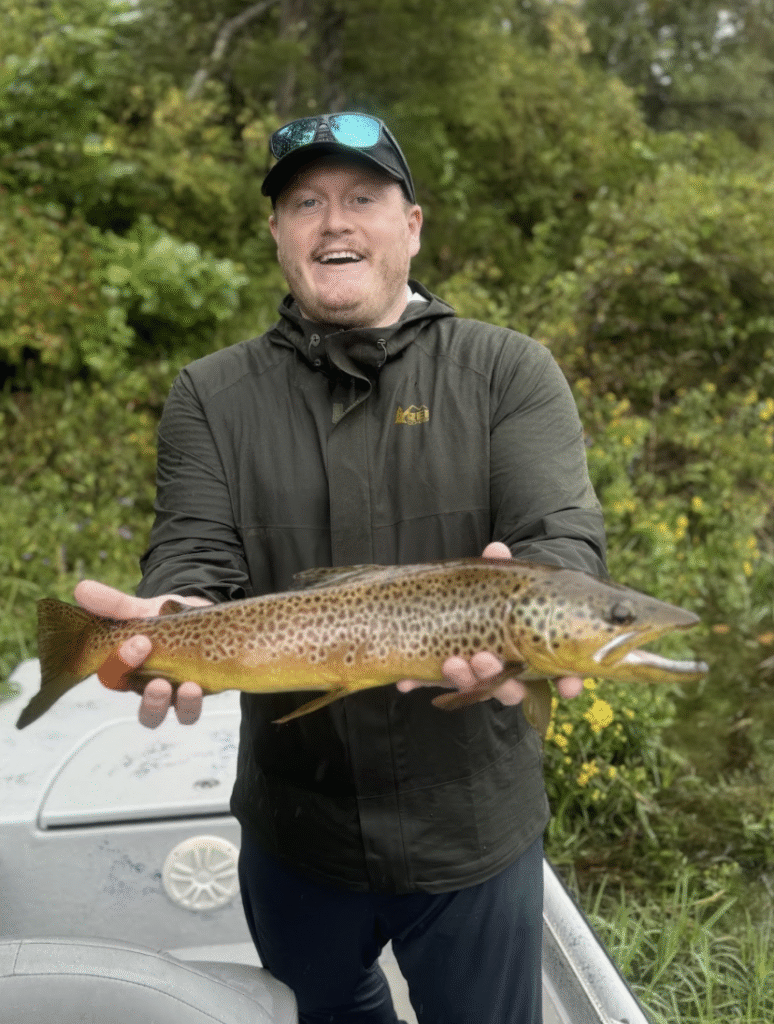
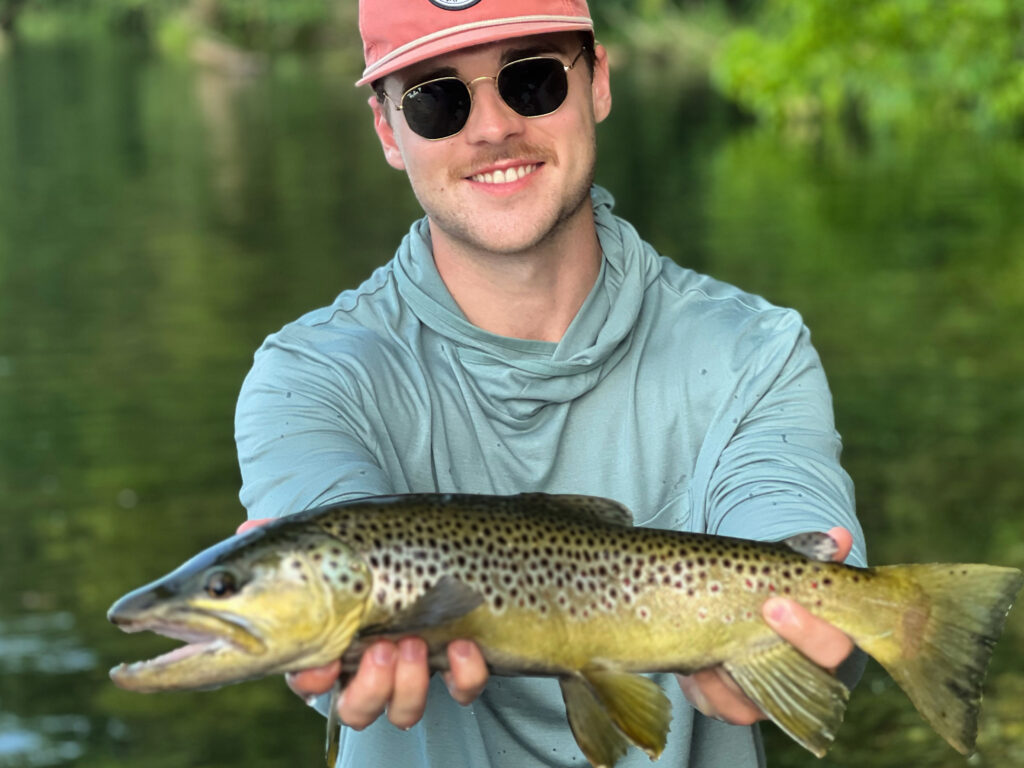
Rainbow trout make up the bulk of what you will catch, since they are stocked regularly and take to the cold tailwater well. Brown trout are the fish most anglers are chasing when they mention this river by name. Some grow large, some reproduce naturally in the system, and all of them get harder to fool as they get bigger. Brook trout and cutthroat trout are also present, stocked in smaller numbers, and picking one up on a given day is a nice bonus rather than something to plan a trip around.
A quick note on regulations before you go: Arkansas trout limits on this stretch have changed recently due to hatchery production issues, and current harvest rules are more restrictive than they have been historically. Whatever you plan to keep or release, check the Arkansas Game and Fish Commission’s current trout regulations before your trip, since these rules are listed as in effect until further notice and could change again.
Water Levels and Generation Schedules
Bull Shoals Dam generates power on a schedule set by demand, not by anglers, and that schedule controls how much water moves through the river on any given day. Low, stable flows make for good wading and sight fishing. Higher generation pushes more water through, which changes where fish hold and what techniques work best. Neither condition is bad news. It just changes the plan.
If you want to see current flow data before you pack the truck, the USGS gauge below Bull Shoals Dam updates in near real time. It will not tell you where the fish are, but it will tell you whether you are walking into a wading day or a floating day.
When to Fish the White River: A Season by Season Breakdown
There is no single best month on the White River. There is a best month for what you want to do, and that changes four times a year.
January Through March: Streamer Season
Cold months bring high water swings and some of the most aggressive streamer fishing of the year. Big browns that spend the rest of the year sulking in deep water get more willing to chase during this stretch, and stripping streamers through the right runs is how you find them. Some years bring lower water than usual during this window, which makes streamer fishing tougher but not impossible. Come with a sink tip line and the patience to fish it slowly.
April Through May: The Caddis Hatch
This is when the White River gets crowded, and for good reason. The caddis hatch typically kicks off in mid April and runs through May, and when those bugs are active, the fish get willing in a way that makes even average casts look good. Nymphing stays productive throughout, but the dry fly window during a strong caddis emergence is what brings people back year after year. Book early for this stretch. Everyone else has the same idea.
Late May Through July: The Sulphur Hatch
The sulphur hatch is the technical heart of the White River’s dry fly season, and it rewards anglers who understand the timing rather than just showing up and hoping. Depending on water levels, the morning bite often runs quieter than people expect. The better window tends to open in the early afternoon, when sulphur duns start coming off consistently, typically building through the mid afternoon hours. As the light fades toward evening, a spinner fall often triggers another round of feeding before dark. This is technical fishing. Light tippet, accurate drifts, and a willingness to change flies when the fish get particular are part of the deal.
August Through October: Hopper Season
Late summer and early fall are the quiet months on this river, and quiet is a feature, not a problem. With kids back in school, weekday boat traffic drops off noticeably. Terrestrial patterns take over as the go to approach, and hopper fishing along the banks can produce some of the most fun, visual eats of the year. If you like watching a fish come up and eat something off the surface, this stretch of the calendar is built for you.
October Through January: Nymphing and the Pre Spawn Browns
Fall brings cooling water, changing leaves, and some of the lightest fishing pressure of the year. Standard nymphing programs produce consistently, and when brown trout start moving toward their spawning routine, targeting larger pre spawn fish becomes a realistic goal. One thing worth knowing before you plan a late fall trip: Bull Shoals Dam closes a stretch of water to fishing from November 1 through February 1 to protect the spawning brown trout. There is still plenty of river open during that closure, and your guide will know exactly where to be.
For a deeper look at how these seasons interact with weather and generation schedules, our full seasonal breakdowncovers each stretch of the year in more detail.
Techniques That Work Here
The White River rewards anglers who can adjust their approach to match the season and the water in front of them. A few techniques carry the load most of the year.
- Nymphing accounts for the majority of fish caught on this river, especially outside of the major hatch windows, and dialing in depth and weight matters more than fly pattern most days.
- Streamer fishing produces the biggest browns of the year, particularly in cold water months, and requires a willingness to fish methodically rather than chuck and hope.
- Dry fly presentation during a real hatch is as good as trout fishing gets anywhere, but it demands drag free drifts and a willingness to size down when fish start refusing.
- Reading the water, meaning understanding where trout hold based on current speed, depth, and structure, is the skill that ties all three techniques together and the one most worth learning if you only take one thing from a guided trip.
Common Misconceptions About Fishing the White River
New anglers often assume they need years of casting experience before booking a trip here. That is not true. Guides on this river teach casting, presentation, and reading water as part of the day, and plenty of first timers leave with fish in the net and a genuinely better cast than they arrived with.
There is also a common assumption that high water means bad fishing. High water changes the game, but it does not end it. Streamer fishing often improves when the dam is pushing more water, since baitfish and sculpin get displaced and predatory browns take notice.
Finally, no honest guide will promise you a certain number of fish or a fish of a certain size. The White River gives you a strong probability of catching fish on any given day, not a guarantee. Anyone telling you otherwise is selling something other than an honest day on the water.
Planning Your White River Trip
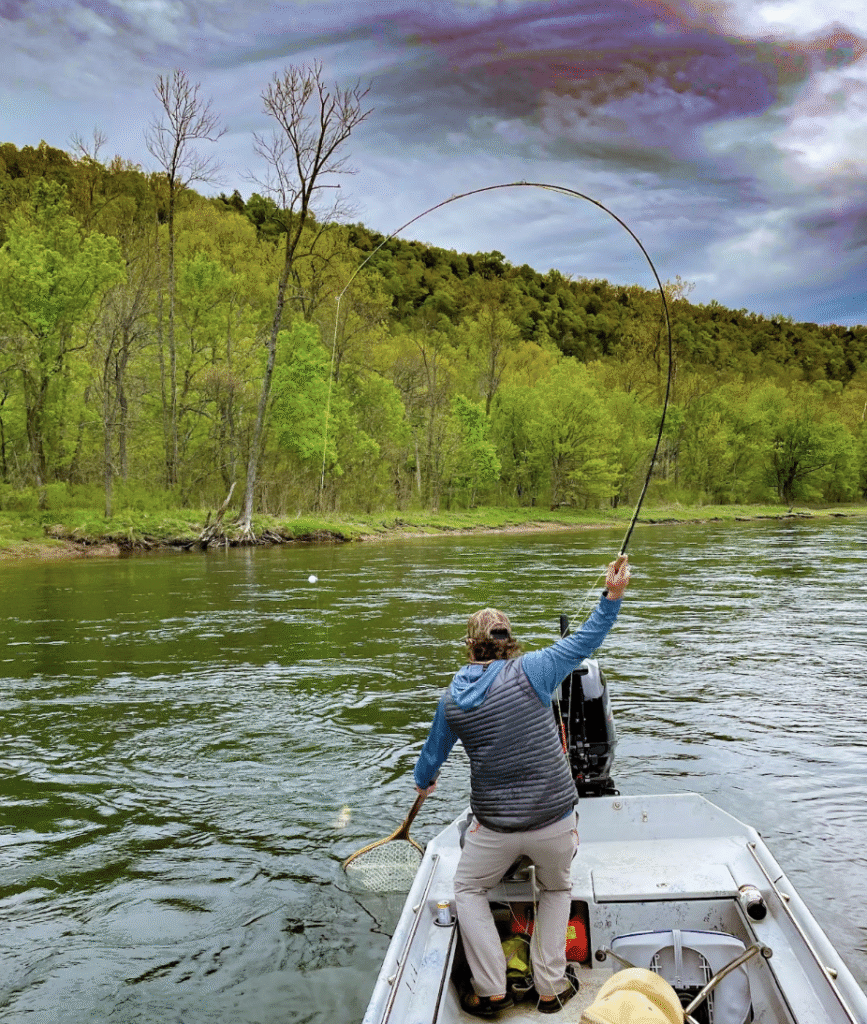
Most guided trips provide rods, reels, terminal tackle, and flies, so you do not need to own gear to book a day on the water. Bringing your own rod is fine too, and most guides are happy to work with what you already fish.
What you should bring: sun protection, weather appropriate layers, polarized sunglasses, and a willingness to take some coaching. What you should expect: a morning briefing on water conditions and the day’s plan, hands on instruction if you want it, and a guide who is paying as much attention to your progress as to the fish counter.
If you are ready to see current trip lengths and rates, our White River trip pricing page breaks down full day, three quarter day, and half day options.
Frequently Asked Questions
What is the best month to fly fish the White River in Arkansas? There is no single best month, since the river fishes differently depending on what you want to catch and how you want to catch it. April and May bring the caddis hatch and dry fly action, late May through July brings the technical sulphur hatch, and winter months bring some of the best streamer fishing of the year for big browns.
Do I need my own gear to fish the White River? No. Most guided trips include rods, reels, and terminal tackle, so you can show up empty handed and still fish all day. If you already have a rod you like, bring it, and your guide will work with it.
Is the White River good for beginner fly anglers? Yes. The river holds enough fish to make learning forgiving, and guides here typically build casting and presentation instruction into the trip rather than treating it as a separate lesson. First time fly anglers regularly catch fish their first day out.
What flies work best on the White River? It depends heavily on the season. Small nymphs imitating sowbugs and scuds work most of the year, caddis patterns matter in spring, sulphur imitations matter in early summer, hopper patterns take over in late summer, and streamers in sculpin and baitfish colors produce through the colder months.
How cold does the White River stay in summer? The tailwater generally holds in the mid 50s even when Arkansas air temperatures climb into the 90s, since the water is released from the bottom of Bull Shoals Lake. That consistency is part of why the fishery supports trout at all this far south.
Can you fish the White River year round? Yes, with one notable exception. A stretch of water just below Bull Shoals Dam closes from November 1 through February 1 to protect spawning brown trout. Outside of that closure and that specific area, the river fishes twelve months a year.
The Bottom Line
The White River does not reward guesswork, but it does reward anglers willing to pay attention to what the season, the water, and the fish are actually telling them. Whether that means stripping streamers through high winter flows or laying out a drag free drift during a summer sulphur hatch, the river gives you plenty to work with every month of the year.
If you would rather spend your day fishing than researching generation schedules and hatch charts, that is exactly what a guide is for. Book a guided White River trip and we will handle the timing. You just worry about the drift.